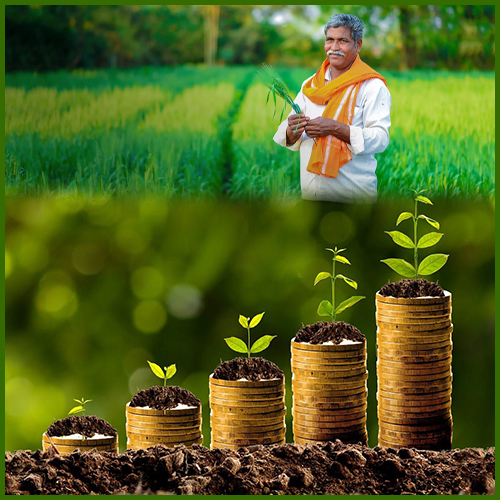
Our NGO (Non-Governmental Organizations) can provide crucial financial assistance and support to farmers in various ways. Agriculture is a vital sector in many countries, and farmers often face financial challenges due to factors such as unpredictable weather conditions, market fluctuations, lack of access to credit, and limited resources. Farming and farmers play a crucial role in society, economies, and the overall well-being of communities. Here are some key reasons highlighting the importance of farming and farmers: 1.Farm Input Subsidies: Our NGO provide subsidies or grants to farmers to help them purchase essential agricultural inputs like seeds, fertilizers, pesticides, and farming tools at reduced costs, enabling them to improve their yields and income. 2. Food Security: Ensuring a stable and sustainable food supply is essential for national and global food security. Farmers work tirelessly to produce enough food to meet the growing demands of an increasing population. 3. Economic Impact: Agriculture is a significant driver of economic growth and development in many countries. It contributes to the GDP and provides employment opportunities for millions of people in rural areas. 4. The situation of agriculture, particularly in some regions, can be challenging due to various financial issues. Here are some of the present bad situations that agriculture faces through a financial lens: High Input Costs: One of the significant financial challenges for farmers is the rising cost of agricultural inputs such as seeds, fertilizers, pesticides, and machinery. As input costs increase, farmers' profit margins are squeezed, making it harder for them to sustain their livelihoods. Land Ownership and Tenure Issues: In some areas, farmers may face challenges related to land ownership and tenure. Land disputes and insecure land rights can impact their ability to invest in their farms and access financial support. We play a significant role in complementing government efforts and filling gaps in financial services and support for farmers. Their interventions can contribute to the economic empowerment of farmers, improved food security, and sustainable agricultural practices in the communities they serve.